
The takeaway
Industrial AI succeeds when connected data, domain expertise, permissions, and workforce training are designed as one deployment system.
Why it matters for builders
For AI builders, Caterpillar shows that the hard part is operational integration: grounding assistants in trusted machine data, exposing the right tools in the field, and preparing workers for changed workflows.
Caterpillar Brings Industrial AI Deployment Lessons to the Field
Caterpillar is taking mining automation lessons into AI deployment, combining connected-machine data, technician assistants, and workforce training at scale.
What Caterpillar Is Applying
Caterpillar's autonomous mining business grew around a practical constraint: heavy equipment often operates in hazardous environments with persistent labor shortages. The company now sells autonomous haul trucks, drilling systems, loaders, dozers, remote-controlled construction equipment, fleet-management software, and remote terrain intelligence.
According to TechCrunch, Caterpillar CTO Jaime Mineart says the company is bringing that experience into more dynamic environments such as construction sites and quarries. The focus is not simply on building a model. It is on fitting AI into the workflows already used by operators, technicians, and site managers.
From Connected Machines to Field Assistants
One example is Cat AI Assistant, a tool that lets technicians use voice commands next to a machine. It can retrieve repair procedures, help troubleshoot problems, and identify parts before a repair begins. The assistant is grounded in Caterpillar's proprietary data from connected equipment.
The scale is significant: the company says it has about 1.6 million connected assets and more than 16 petabytes of structured data. Caterpillar is also using AI for site scanning, digital twins in manufacturing, enterprise operations, and software development. Its internal AI agents modernize legacy code, generate and test new software, and identify defects earlier, the company told TechCrunch.
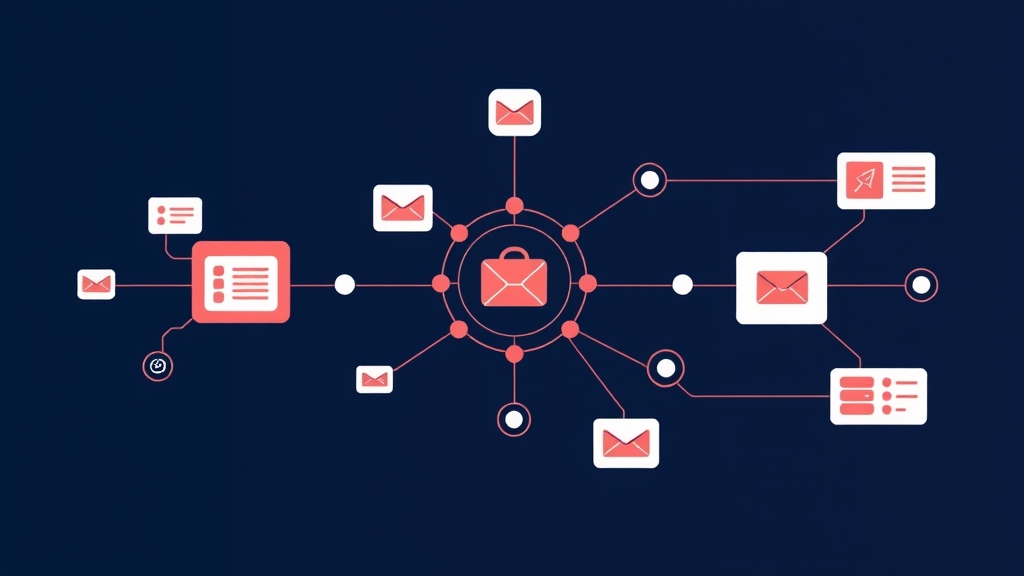
![Abstract industrial AI deployment architecture connecting autonomous machines, field technicians, data pipelines, and digital twins] (https://storage.googleapis.com/n8nauts.firebasestorage.app/news/caterpillar-industrial-ai-deployment/inline/01-connected-machines.jpg)
The Deployment Lesson for Builders
Caterpillar's example reinforces a point that is easy to miss in the model race: deployment is an operating-model problem. A capable assistant still needs trusted data, clear permissions, human escalation paths, and interfaces that match the user's physical context.
That is especially relevant for teams building agents. The winning architecture may be less about a single general-purpose model and more about connecting specialized tools to durable enterprise data. Caterpillar's field assistant is useful because it can turn machine context into an actionable next step, not because it is a generic chatbot.
The company is planning to spend $100 million over five years training its 118,000 employees in AI, autonomy, and robotics. That investment recognizes another operational reality: automation changes roles and workflows, so adoption requires structured enablement alongside software.
Caterpillar's second-quarter revenue reached $20.5 billion, while its power-generation division grew sales 72% to $3.10 billion, helped by demand for data-center equipment, according to TechCrunch. The broader message is clear: AI deployment is spreading from model labs into industrial systems, where reliability, integration, and workforce readiness matter as much as raw benchmark scores.
The Automation Brief
Read 5 AI stories instead of 50.
The essential moves in AI agents, models, automation and infrastructure — filtered for builders and operators, with the part that actually matters.
No noise. Unsubscribe anytime.
Editorial notes
Stefan Trbojevic
n8n Lab Editorial
30 August 2026
30 August 2026
AI disclosure: AI assisted with research and drafting. Factual claims are reviewed by an editor.