AI Automation for Fintech Keep Operations Moving
Connect onboarding, document handling and operational reporting across your financial software. We bring business process expertise and AI engineering together to implement systems with clear permissions, review points and accountable owners.
Connected financial operations
From incoming information to the next approved action, with context your team can inspect.
Where financial operations lose time and context
The bottleneck is often the work between systems: collecting evidence, following up on exceptions and preparing information for a decision.
Incomplete onboarding files
Staff chase missing information across forms, messages and verification tools before a case is ready for review.
Manual reporting preparation
Teams reconcile exports and recreate the same operational reports instead of investigating the exceptions.
Disconnected review queues
Signals from existing screening or monitoring tools reach the right person without the supporting context or a clear next step.
Repeated customer handovers
Support and operations reconstruct the same customer history because records and task ownership are fragmented.
Practical AI workflows for financial operations
Support the people running the process, with defined inputs, permitted actions and a route for exceptions.
Connect forms, document stores and approved verification providers. Check required fields, request missing information and prepare a review-ready record for your team.
Bring alerts from existing monitoring tools into an assigned queue with source records and follow-up tasks. Your specialists assess the evidence and decide what happens next.
Collect data from approved systems, reconcile required fields and prepare summaries with source links. Flag inconsistencies for review before distribution.
AI Automation Success Stories
Explore how we've architected custom AI automations and Agentic systems that deliver immediate ROI and scalable growth for our clients.
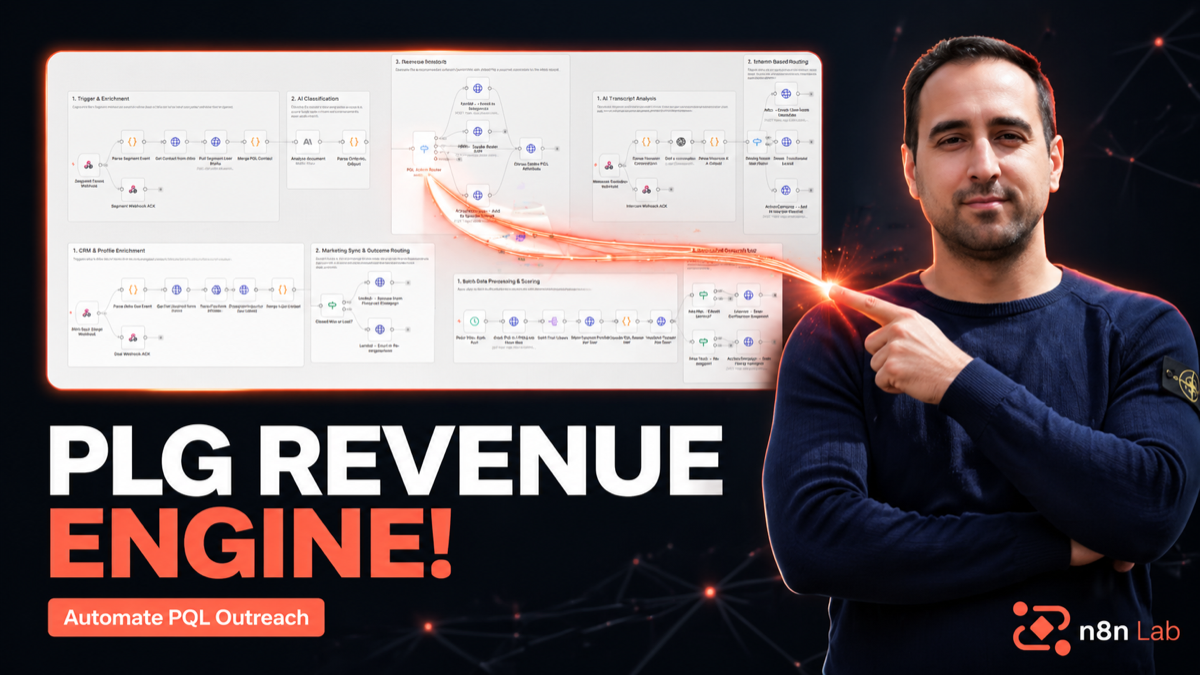
PLG Revenue Engine
Connecting Product Data to Revenue With AI Automation
Focus Physiotherapy
OpenClaw turned intake friction into a guided booking flow
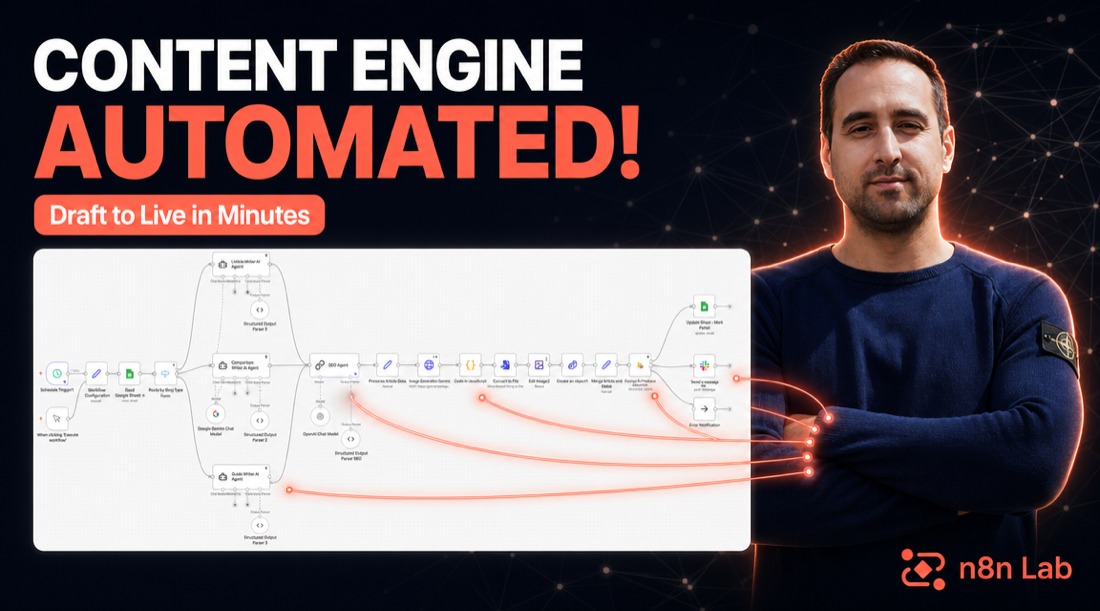
n8n Blog Production
Five-agent content engine for automated blog publishing
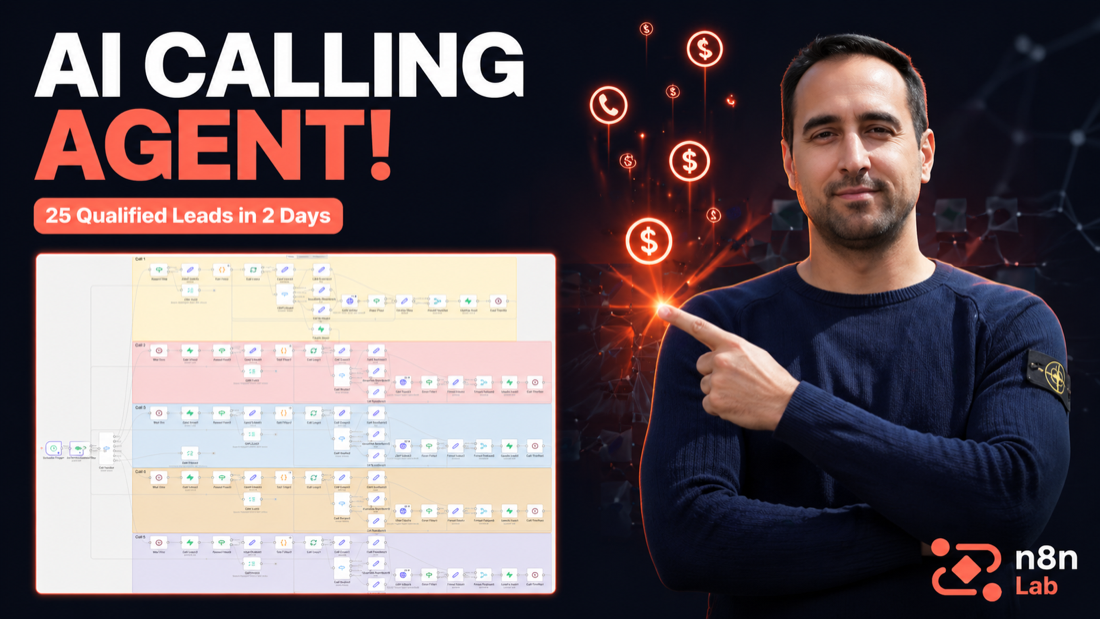
AI Voice Agents for B2B SaaS
Scaling Outbound Sales Process powered by n8n, Twilio, and Vapi
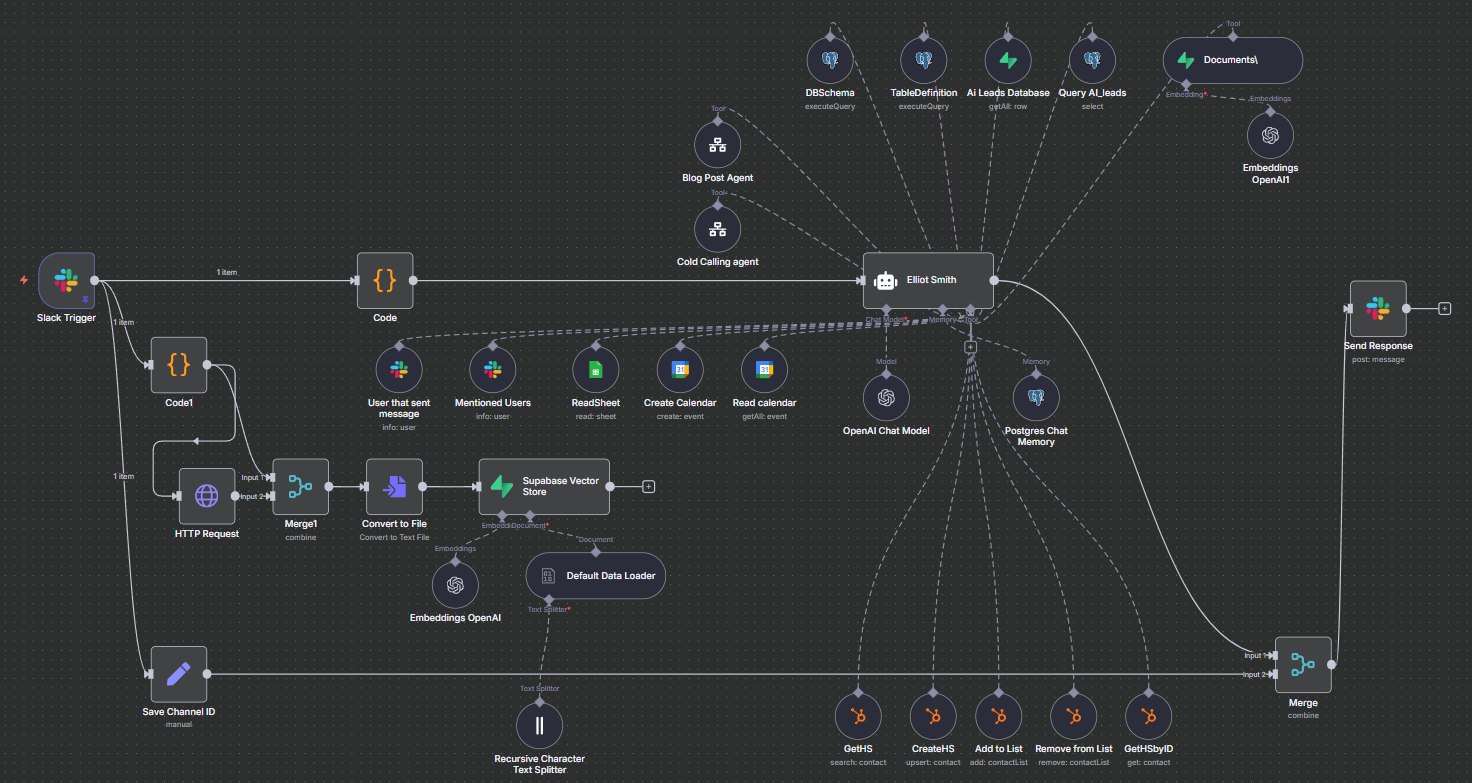
CRM Agent for Digital Agency
Discover How n8n Workflows Empower BDRs to Focus Just on Closing Deals
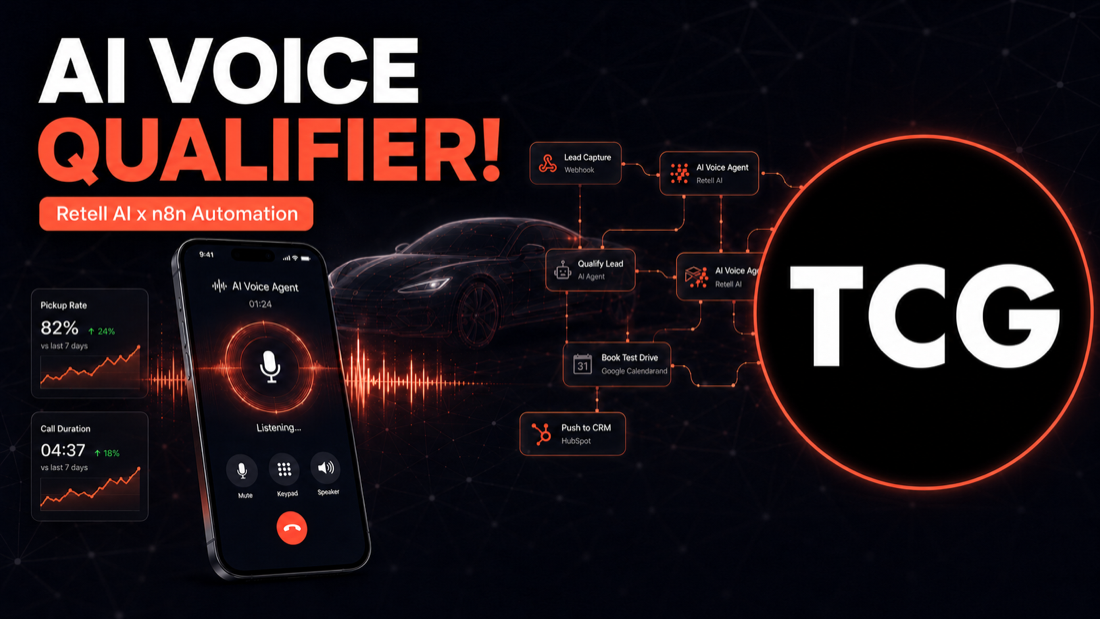
The Collecting Group
AI Voice Agent & Automation Strategy
What an implemented workflow could look like
Illustrative process designs, not client case studies or promised performance results.
Customer onboarding preparation
Starting point
Applications arrive with supporting documents in different places. Operations staff need to identify missing details and prepare the record.
Connected workflow
A workflow brings approved sources together, extracts agreed fields and drafts requests for missing information. The reviewer sees the source documents and unresolved checks.
What the team receives
One record
Application context
Review queue
Missing information
Named owner
Next action

Application review support
Starting point
Reviewers repeatedly collect documents and compare information before they can assess an application.
Connected workflow
An agent prepares a source-linked summary and highlights inconsistencies against your agreed rules. Credit, eligibility and approval decisions remain with your designated decision process.
What the team receives
Source links
Supporting evidence
Exceptions
Items to investigate
Human review
Decision ownership

Monitoring alert coordination
Starting point
Alerts from existing tools need additional context, assignment and follow-up before an investigator can act.
Connected workflow
Connect the alert to approved account records, create an investigation task and track the handover. The workflow supports your monitoring tools; it does not replace their detection models or specialist judgment.
What the team receives
Case context
Approved source data
Assigned task
Investigation queue
Tracked status
Follow-up visibility

Four layers behind a useful financial AI system
Working agents depend on connected infrastructure, business rules, responsible people and a sustainable software stack.
AI infrastructure
Map data flows, environments, model access and permissions. Agree on what is stored, sent to providers and recorded for operational review.
AI agents & automations
Use AI for extraction, classification and draft preparation, with rules for required fields, tool actions, retries and escalation.
People & processes
Define the reviewer, decision owner and exception path with operations and compliance stakeholders. Train the team to use and question the output.
Software stack optimization
Check existing platform capabilities and overlapping tools. Compare the cost of the proposed automation with software, infrastructure and model usage.
How we implement AI in financial operations
Start with one bounded operational process and validate it with the people responsible for the outcome.
Step 1: Understand the operational problem
Map work volume, manual handoffs, source systems and exception handling with your operations and compliance stakeholders.
Step 2: Define architecture and controls
Agree on the data flow, provider access, permissions, decision boundaries and measurable acceptance criteria.
Step 3: Build the connected workflow
Implement integrations, AI tasks and rules. Use n8n where appropriate, alongside the systems your team already relies on.
Step 4: Validate outputs and failure paths
Test representative inputs, missing evidence, incorrect extractions, access boundaries, retries and escalation before production use.
Step 5: Roll out and train the team
Introduce the first workflow with clear ownership, operating instructions and a limited initial scope.
Step 6: Monitor and improve
Review output quality, exception volume, adoption and running costs. Agree on support and change handling as your requirements evolve.
AI automation for fintech: implementation questions
Scope, integrations, operating controls and commercial considerations.
Operational understanding behind the technical build
Our business specialists and AI engineers design the handovers as well as the software.
Connect incoming requests and application context to the people responsible for the next step.
Prepare relevant requests and status updates from approved records, with review rules for sensitive messages.
Coordinate evidence, exceptions and reporting inputs around your existing policies and decision owners.
 n8n Lab
Start with the work you want to improve
Tell us about the process, the tools involved and where work gets stuck. We will help define a practical first step for AI implementation.




Our Team
Ready to help